
About 40% of American adults suffer from anxiety disorders in different forms. This can include anxiety attacks, social anxiety disorders and panic disorder. There is also a substantial number of children and teens who suffer from anxiety, but a lot of these cases remain unreported and undiagnosed.
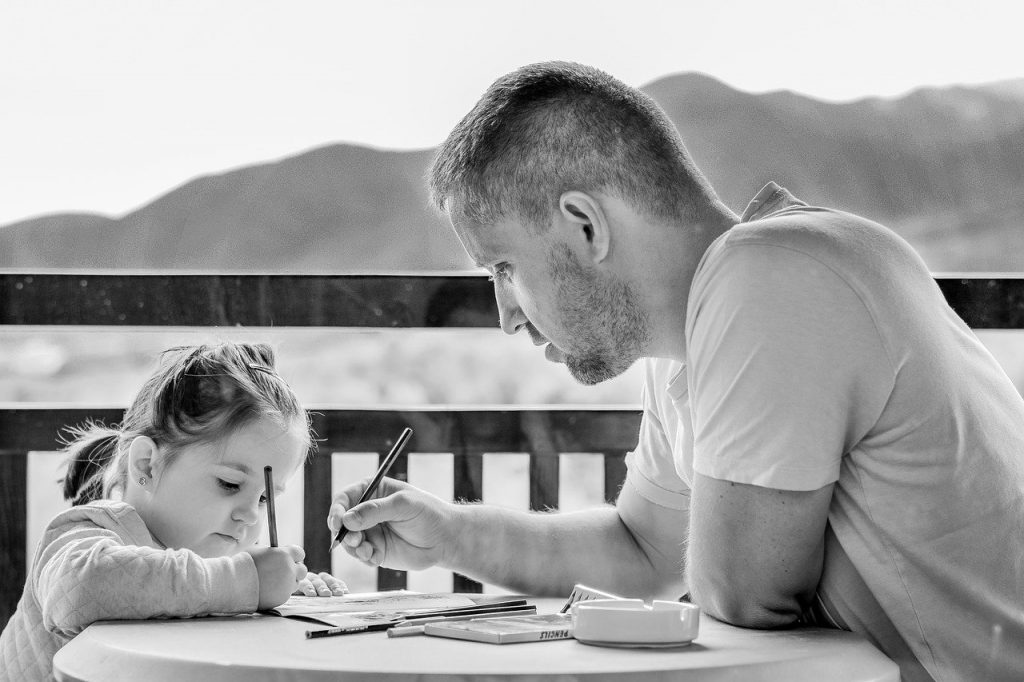
Most children who had been diagnosed with anxiety disorders usually get this condition during puberty; which if left untreated can very well persist into their young adult years.
Parents play a crucial role in helping their children overcome anxiety during their early years of development.
5 Main Symptoms of Child Anxiety Disorder
Children experience the same symptoms as adults who have periods of anxiety attacks. This may start as an irrational and strong fear which later on manifests as physical symptoms such as:
1. Difficulty in breathing/ hyperventilating
2. Numbness in parts of the body
3. Discomfort / irritability
4. Increased heartbeat / panicking
5. Common illness such as stomach ache, nausea, headaches and diarrhea.
Your child may also show difficulty in adjusting to or may withdraw from social situations constantly. Some parents may simply say that their child is “naturally shy”, not knowing that their child may already be suffering from social anxiety disorder.
Child anxiety symptoms are often caused by social situations, for example, when a child just moved to a new school, or when a child is a victim of school bullying or extreme peer pressure.
If your child has been reported to be having difficulties to concentrate or a slow capacity to learn, this may also be a sign that your child is experiencing some form of anxiety!
Dealing with Your Child’s Anxiety Attacks
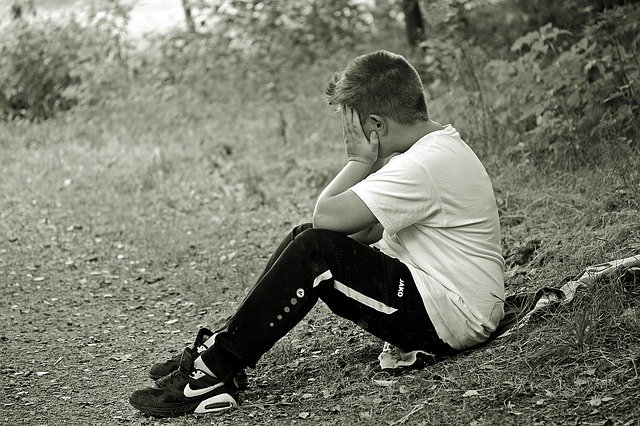
Helping Your Child Manage Anxiety doesn’t have to be complicated. I mean, should you be concerned if your child seems to be anxious all the time? Just like adults, children can feel anxious over certain situations and these feelings of anxiety are considered normal up to a certain extent.
If your child shows a predisposition to anxiety to the point that his fears and anxieties get to be irrational and frequent, then you may have to consult your pediatrician about this, just to rule out the possibility that your child is developing an anxiety disorder.
Children are naturally sociable and fun loving and if you have a child who is prone to being worried or anxious about the smallest things, he/she may have a difficult time adjusting with other children who may not understand their condition.
If your child’s anxiety level affects his performance in school or his relationship with other kids, this maybe a sign of a deeper problem that you would have to pay attention to.
When is it time to consult a professional / doctor? Well, if your child has shown any of the anxiety symptoms above, it is best that you consult a pediatrician or a therapist to understand your child’s condition better.
Your child may be suffering from any of the common anxiety disorders such as generalized anxiety disorder, obsessive compulsive disorder, acute stress disorder, social anxiety or post traumatic stress brought about by a critical event in your child’s life.
Generally, medications and therapy are the usual treatments given to children suffering from child anxiety disorders, much like the same way adult anxiety disorder is managed. Do not attempt to self-medicate your child, (meaning: giving your child the same medications prescribed for adults). These medicines may have adverse effects on your child, especially if given in dosages not prescribed by doctors.
Common Causes of Child Anxiety
1. The most common form of child anxiety is separation anxiety. This is an excessive fear of not being with a person whom the child acknowledges or recognizes as a caregiver.
2. Stress caused by a new environment or demands in school can also lead to anxiety. If your family has just moved to a new place and your child has to start making new friends, this may be a factor that can trigger stress and anxiety with your child.
It is possible also that a child will feel displaced in his new environment and may wish to return to his old environment where he had friends he was more familiar with.
3. Trauma caused by events such as death in the family, physical abuse or constant family conflicts are also possible causes of anxiety in children. Divorce in the family usually puts an unreasonable amount of stress on a child whose anxiety may also be triggered by feelings of guilt over his parent’s divorce, and is one of the most common factors in child anxiety cases.
Most of all, make your child’s home life a stress-free experience. Like I mentioned, marital discord can place a heavy stress on children who may sometimes think they are the cause of their parents’ rifts. Try not to put too much pressure on your children to succeed or to be too competitive all the time.
You need to take a balanced approach rather than a full-throttle “strict only” approach. Listen to your children, and pay attention to their needs as well.
Managing Child Anxiety – Lifestyle & Stress-Free Environment
As a parent, do not take it for granted that your child is just “acting up” during anxiety episodes or that his symptoms are just part of their tantrums. If your child experiences anxiety attacks frequently, this may develop into an anxiety disorder and may even become more severe as he or she grows older.
Be sure to consult your child’s pediatrician who may be able to help you understand your child’s condition better or even suggest the right therapy that will help your child overcome an anxiety attack.
It’s best to also encourage a healthy lifestyle which includes; enough sleep, a balanced / healthy diet (go easy on the chicken nuggets dad!) , and exercise (this could be as simple as playing tag, or dancing to some techno music). Make it a habit to appreciate your children with praise and to assure them of your love for them. use a lot of positive self talk for both yourself as well as your children. Like I said, take a balanced approach to parenting!
A “Stress-Free” Environment is Key!
It all comes down to ensuring your child lives in an environment that is as “stress-free” as possible. It all comes down to paying close attention, and taking the right precautions starting today, and continued into the future. Your children deserve it!
How has childhood anxiety affected you or someone you know, and what steps have you/they used to help alleviate anxiety? Leave a comment below.

